The empty cup.
A thought from Laozi opens a way into Chinese baijiu culture. Begin with the space a vessel holds.
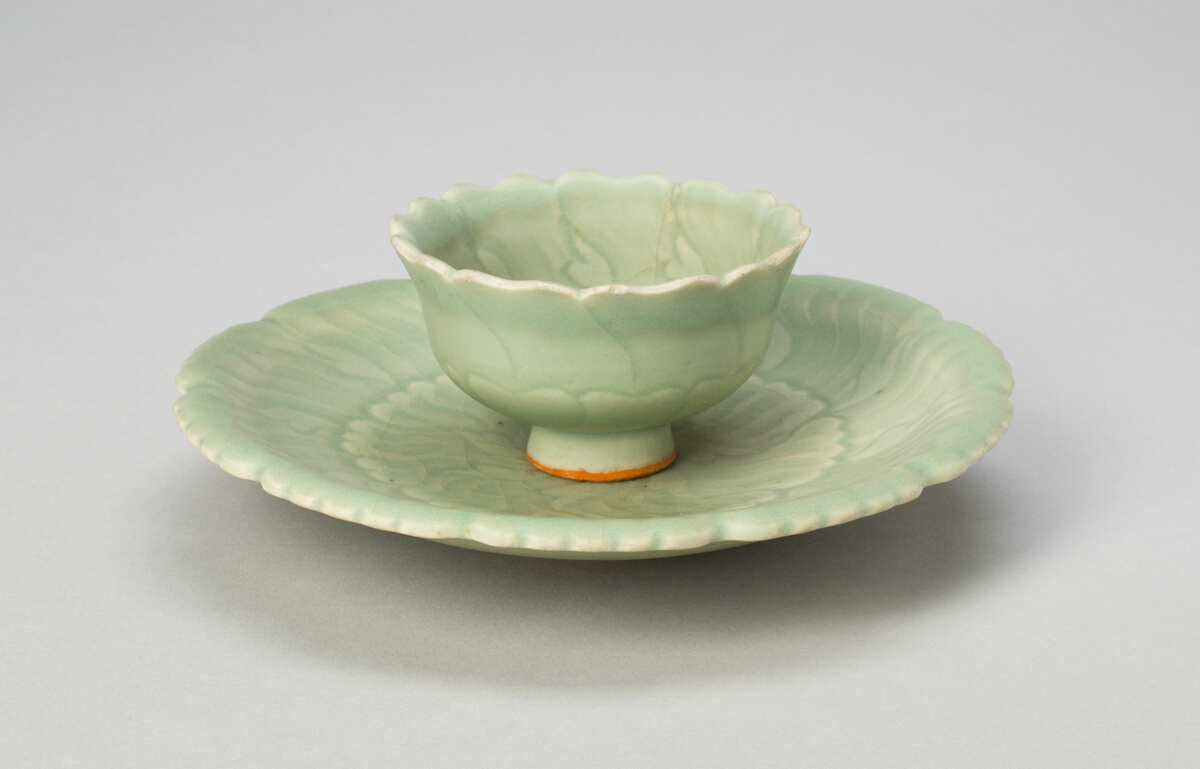
What makes a cup useful?
Picture a potter shaping clay. The walls take form, and an open space remains at their center. That space allows the vessel to receive something.
This is our retelling of an image in chapter eleven of the Dao De Jing, the text traditionally attributed to Laozi. The chapter considers the usefulness of empty space through everyday objects.
We shape clay into a vessel; the space within gives it its use.
Dao De Jing, chapter 11 · our English rendering of the vessel passage
A cup makes the image easy to hold in mind. Its usefulness is an invitation to notice something we usually overlook.
The idea of enough
Chapter thirty-three connects knowing contentment with being rich. Read beside the vessel passage, it offers a question for everyday life. What is enough?
We carry that question into the experience of a glass. Taking time to notice its aroma, asking about its origin, or choosing to leave it untouched can each be a considered response.
This connection with contemporary drinking culture is our interpretation. The ancient passages themselves are broader reflections on life.
A sense of naturalness
Chapter twenty-five introduces ziran, often rendered as naturalness or being so of itself. Understanding this term takes more care than treating “nature” as a landscape.
For this website, it encourages curiosity about how a tradition develops in its own context. With baijiu, the next step is practical. Learn about the grain, the fermentation starter, and the people and places involved.
Sources & context
Opening scene and English rendering by this website. The vessel image comes from chapter 11, naturalness from chapter 25, and contentment from chapter 33. The pictured cup is a later Chinese museum object used to illustrate the idea.